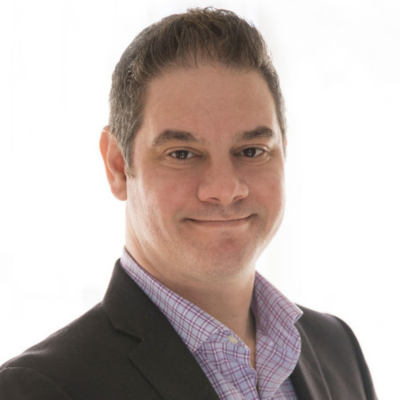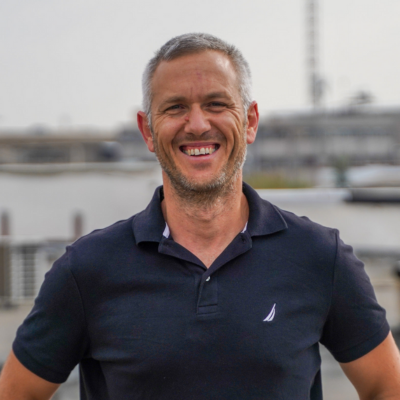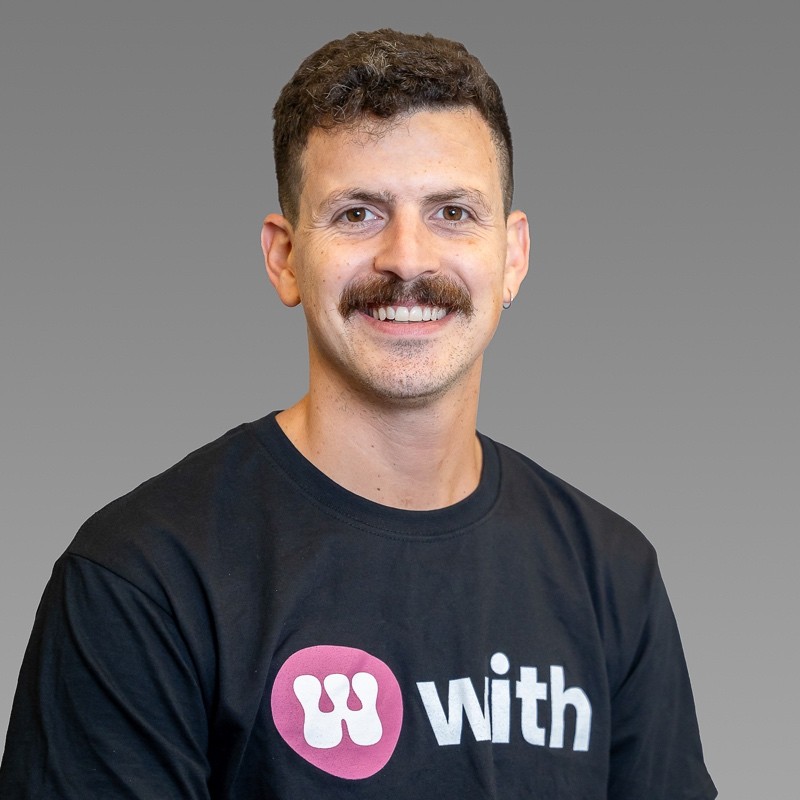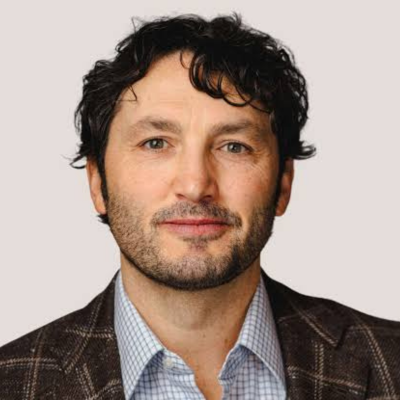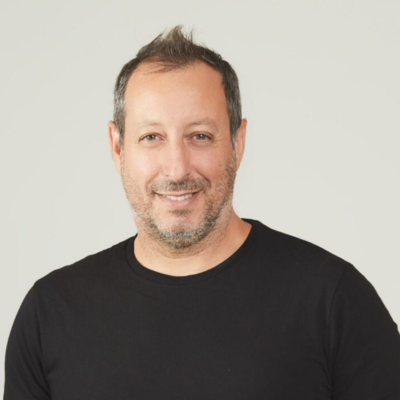

When William Bell talks about capital projects, he doesn’t start with budgets, he starts with trust.
Montrose is currently building a $70 million public works facility, the largest capital investment in the city’s history. It follows a $28 million police facility, a new city hall repurposed from a former bank on Main Street, and a new amphitheater.
But none of this happened overnight.
“On the public safety complex, we actually engaged the community for about a year.”
That engagement included a citizen-led steering committee and countless conversations. The result? Residents voted to raise taxes to support a state-of-the-art facility, fund new police positions, and raise wages, all allowing the department to become fully staffed for the first time in two decades.
For William, the formula is clear: tell your story early, tell it often, and then deliver on your promises.
That credibility paved the way for Montrose’s next major investment, the public works facility now underway.
Beyond buildings, William is focused on something harder to construct: long-term solutions to complex social issues. Through Unified Montrose, a local effort aligned with the Unified America campaign, the city brings stakeholders together regularly. Homelessness, in particular, has been the focus of 6–8 months of roundtables, part of a year-long effort to build a comprehensive, wraparound approach.
“If you don’t have the dialogue with the community and the stakeholders at the table, you’re never going to come up with a win-win solution.”
William also sees opportunity in emerging technology. Rather than external-facing AI, Montrose is exploring internal AI tools to help staff search records, meeting histories, and documents more efficiently in order to free up time and reduce friction across departments.
Montrose’s story is a reminder that belonging isn’t built through shortcuts. It’s built through listening, transparency, and showing residents that when they invest their trust, the city delivers.