City of Manassas Park, Virginia logo
Case Study

How Manassas Park Brought Its City, Library and Schools onto One Centralized Hub

See how this Virginia city built on an existing events committee, connected its library and schools through API, and turned council members into advocates, all within its first 3 months.

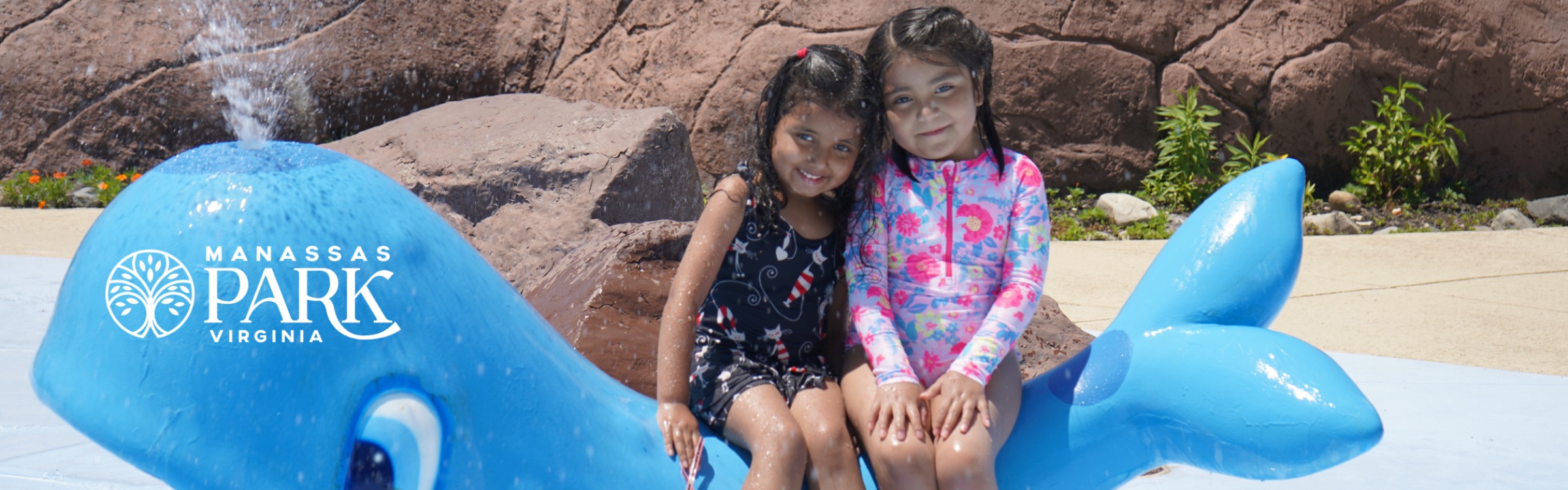
Two children sitting on a whale sprayer at a Manassas Park splash pad
156
Yearly Hours Saved Per Coordinator
1 Hub
For 7 Departments, Library & Schools
4x
More Events in Council Newsletter
The Customer

Manassas Park, Virginia

Manassas Park is a compact, growing city in Northern Virginia with just over 250 full-time employees and a downtown that has seen a wave of new development in recent years. As the city grows, so has the number and variety of events bringing the community together. From the weekly farmers market and Last Fridays to a newly developed downtown plaza available for community and private events, these experiences are becoming an increasingly important part of how people connect with the city and one another.

Grace Mangino stepped into the events coordinator role about eight months ago. She inherited something most cities do not have: a standing events committee with representatives from City Management, Fire and Rescue, Police, Parks and Rec, Public Works, Facilities, the Library, and the Schools, meeting twice a month to plan together. The cross-departmental committee helps coordinate logistics, identify operational needs, and ensure City events are planned collaboratively from the start.

While that collaboration was already in place, the mechanics of getting events in front of residents were still manual. Grace managed events on the city website by hand, updating separate tabs for each event, often editing the same information in multiple places, and remembering to take things down once they had passed. As the City’s event programming grew, so did the time required to keep information current and accessible. Looking back on it, she said, it was “actually painful.”
The Challenges

What was holding them back?

If your city keeps events current by hand while the library, the schools, and every department run their own page, this will sound familiar.

Manual, Repetitive Website Updates

Every event lived in its own tab, built from text and images that Grace updated manually. A single change often needed to be made in multiple places, creating additional steps to keep information consistent and current. The pages, in her words, “didn’t talk to themselves super well,” which left room for human error, delays, and out-of-date information.

Information Scattered Across Systems

The challenge extended beyond City events. The City library, which is managed independently, had run its own calendar on a separate platform, and the school system also had its own. Residents had to visit different pages to learn what was happening, and no single place reflected everything going on across the city. The opportunity was not to replace those systems altogether, but to connect them and give the community a more complete view.

Silos, Even in a Small City

With just over 250 full-time employees, Manassas Park is small enough that relationships extend across departments, yet still large enough that each team has its own responsibilities and priorities. Keeping every team aligned on events and maintaining visibility took intentional, ongoing effort.

Promotion That Depended on One Person

When Governing Body members needed upcoming events for their resident newsletters, they relied on Grace to compile and share the latest information. Every external group or business that wanted visibility depended on staff to post on their behalf, which put a ceiling on how much could be shared.

“I have to remember back, and it actually was painful. I was having to go in manually and update for every event, and as soon as an event ended, I’d have to remember to go in and delete it. The pages didn’t talk to themselves so it did feel pretty tedious.”

Grace Mangino
Grace Mangino
Events Coordinator, City of Manassas Park
The Solution

One Platform the Whole City Helps Run

An Existing Committee, Ready to Adopt

Because Manassas Park already had a cross-departmental events committee meeting twice a month, adoption did not require a hard push. The same people who plan events together were among the first to be trained on the platform, so each department could own its own events and communicate them out to the community.

Visibility on Every Department’s Page

Grace embedded the calendar widget across the city’s main page and individual department sites, including Police, Fire and Rescue, and Parks. Each department’s page filters to its own events first, while a single click reveals everything happening citywide, giving residents both focus and discovery in one place.

API Integrations for the Library and Schools

Rather than asking the library and schools to move away from systems they already liked or duplicate their efforts, BeWith set up API feeds so their events flow straight onto the centralized hub. The school feed runs on automatic approval, and the library’s polished, pre-approved posts now appear alongside city events for the first time, all without changing how those teams work.

Self-Serve Submissions for Partners and Residents

With a new downtown plaza available to rent, external groups, local businesses, community clubs, and council members can add their own events to the centralized hub. Staff can review and approve submissions through a simplified process, which opens promotion up to the whole community without burdening the team.

“The centralized hub has been the first time that, in one place, without having to send people to a different page, the library, city, and school events can live in one place. That’s why it was so exciting.”

Grace Mangino
Grace Mangino
Events Coordinator, City of Manassas Park
The Results

Real impact in the first months

⏱️

Event updates that once took multiple steps now take one click

Creating and posting an event takes Grace about five minutes, and when something changes or is canceled, a single update flows automatically to every website where the widget lives. What used to mean editing the same event across several pages is now one action, done once. Grace estimates the change gives her back about three hours a week, roughly 156 hours a year that used to go to manual updates.

🤝

Multiple departments aligned on a single source of truth

The centralized calendar gives the existing events committee a shared platform that each department helps run. Cross-departmental planning that already happened twice a month now has a common tool behind it, reinforcing co-ownership and reducing the silos that can creep in even in a small city.

🗣️

Council members promote events without waiting on staff

Two council members who run resident newsletters now pull events directly from the centralized hub instead of emailing Grace for a short list. They typically include around ten events per newsletter, reaching much further out than the two or three Grace used to send by hand, and freeing her from being the bottleneck.

📅

Partners and residents help keep the community informed

From an Asian-inspired Night Market food festival that has drawn thousands of attendees, to roughly six downtown plaza rentals, to council-led events, the centralized hub has become a reliable place residents check to see what is really happening in the city, whether or not the city is the organizer.

📊

Staff work from live data instead of spreadsheets

Where Grace once tracked events in Excel, city staff now use the centralized hub regularly as a live reference, so anyone knows what is coming up.

“It helps to streamline processes, it helps to break down those silos in any community, and it helps the community to grow. The centralized hub has been reflective of the growth we’re seeing as a city.”

Grace Mangino
Grace Mangino
Events Coordinator, City of Manassas Park
What's Next

Looking Ahead

Manassas Park will soon put the centralized hub’s engagement tools to use as the City hosts its first community 5K this fall, a Run and Walk, with a donation component organized with the Department of Social Services. Before naming the race, Grace plans to use the platform’s survey feature to let residents provide input on the name themselves, both to build early excitement and to get more of the community familiar with the centralized hub. As she sees it, a city-built event is one where residents help shape it.

Looking ahead to late 2026 and early 2027, the City is lining up a slate of new and reimagined events to run through the platform, including an indoor Super Bowl party, Valentine’s-season salsa lessons, and a growing farmers market. She also plans to lean on the marketing data the platform captures, using opt-in attendee interest from events to send targeted resident invitations to new celebrations and events that align with their interests. With every event, the centralized hub becomes a richer picture of the community and a smarter way to grow it.

Want similar results in your city?

If a growing city can align multiple departments, its library, its schools, and its council around one shared centralized hub in a matter of months, so can yours.